War Information
12 sectionsMilitary History of Croatia
Croatia has a long and complex military history shaped by its geographic position at the crossroads of Central Europe, the Mediterranean, and the Balkans.
Medieval and Early Modern Period
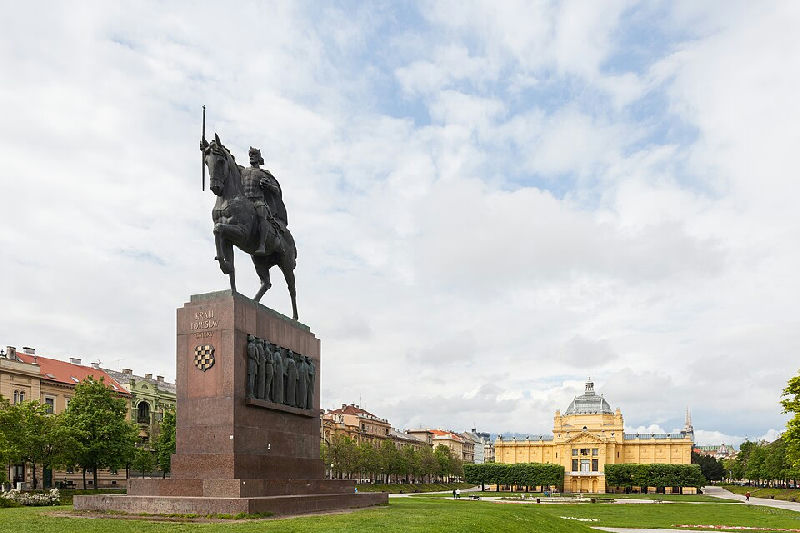
After the arrival of Croats in the region in the 7th century, the Kingdom of Croatia was established in 925 under King Tomislav. From 1102, Croatia entered a personal union with Hungary, later coming under Habsburg rule until 1918. The Military Frontier (Vojna krajina) established by the Habsburgs in the 16th century created a buffer zone against the Ottoman Empire and shaped Croatia's military identity.
World War II and the Ustaše Regime
In 1941, Axis forces occupied Yugoslavia and established the Independent State of Croatia (NDH). The Ustaše regime carried out genocide against Serbs, Jews, and Roma. The Partisan movement led by Tito organised armed resistance and liberated Croatia in 1945.
Croatian War of Independence (1991–1995)
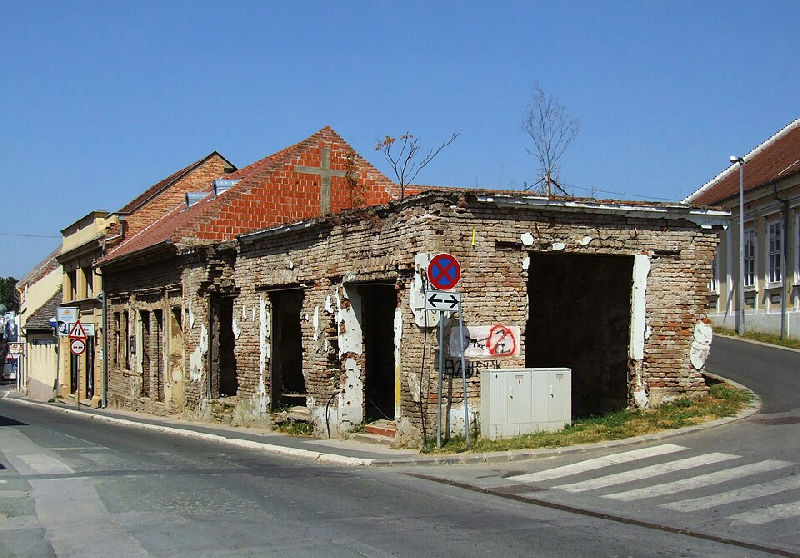
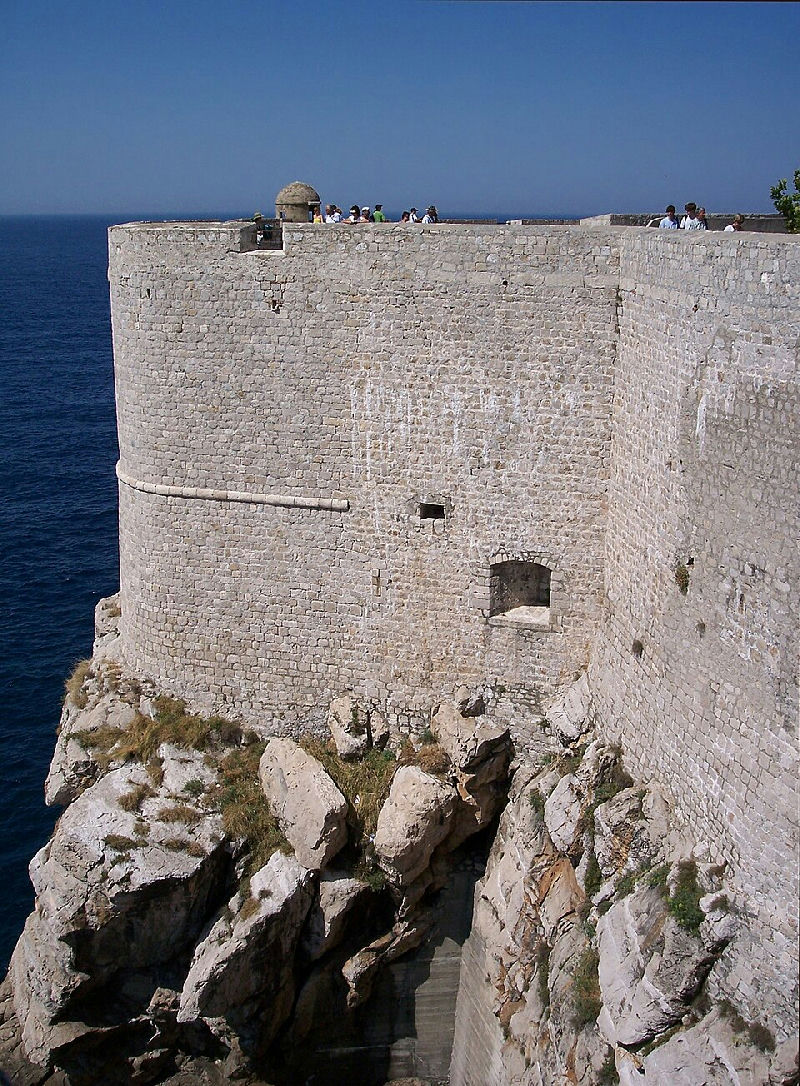
Following the declaration of independence in 1991, Croatia fought the Yugoslav People's Army (JNA) and Serb paramilitary forces. Key battles included the siege of Vukovar (87 days), the siege of Dubrovnik, and Operation Storm in 1995 which recaptured occupied territories. The war ended with the Dayton Peace Agreement in 1995.
- 925: Kingdom of Croatia established under Tomislav
- 1102–1918: Personal union with Hungary and Habsburg rule
- 1941–1945: WWII and Ustaše regime
- 1991–1995: Croatian War of Independence