War Information
10 sectionsMilitary History of Sisak
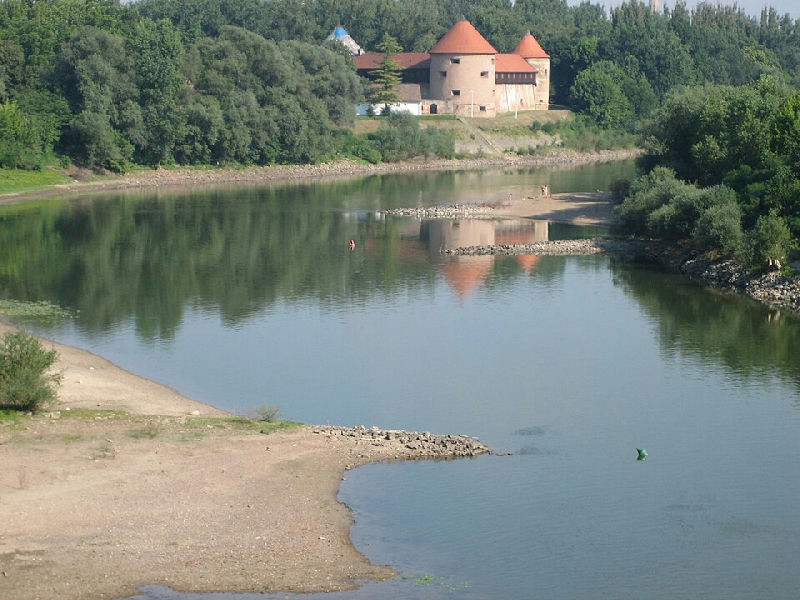
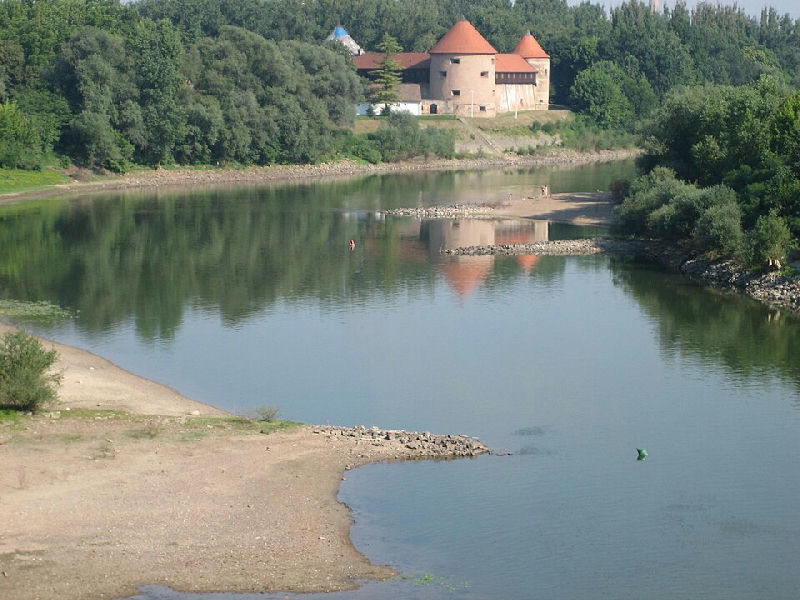
Located at the confluence of the Sava and Kupa rivers, Sisak has a long military history as a strategic frontier town. The site was originally Siscia, a Roman settlement that served as the capital of the province of Pannonia Savia and an important military center along the Roman frontier.
Battle of Sisak (1593)
The most significant battle in Sisak's history occurred on 22 June 1593, when a Christian army from the Kingdom of Croatia and Inner Austria led by Ban Toma Erdődy defeated Ottoman forces commanded by Beylerbey Telli Hasan Pasha. The Ottoman army of 12,000–16,000 faced 4,000–5,000 Christian defenders. The battle ended in a catastrophic Ottoman defeat — approximately 8,000 killed, including Hasan Pasha himself. This was the first major Ottoman defeat in the northwestern Balkans and is celebrated as a historic Croatian victory. Ottoman survivors drowned trying to cross the Kupa River.
World War II (1941–1945)
Sisak was under the rule of the Independent State of Croatia under Ustaše control during WWII. A children's death camp was established in Sisak by the Ustaše, where 1,160–1,600 Serb, Jewish, and Roma children died from starvation, disease, and lethal injections. On 22 June 1941, the first armed anti-fascist Partisan unit in occupied Yugoslavia — the Sisak People's Liberation Partisan Detachment — was formed in Brezovica Forest near Sisak. The unit had 79 members, mainly Croats. On 4 May 1945, the Ustaše killed between 350 and 400 people while retreating from the city.
Croatian War of Independence (1991–1995)
Sisak remained in Croatian government hands while the southern areas were controlled by rebelling Serbs. The city was heavily shelled by Serb forces from Krajina-held areas, causing dozens of civilian casualties and extensive damage to the city's industry. Simultaneously, Croatian forces committed killings and torture of Serb civilians in Sisak between July 1991 and June 1992 (the Sisak killings), resulting in 24–100+ Serb civilian deaths.