War Information
10 sectionsWars History of Sisak-Moslavina County
Ancient and Roman Period
The area of modern Sisak-Moslavina County was originally settled by the Illyrian tribe of the Segestani, with the settlement of Segestica dating back to the 4th century BCE. In 35 BCE, the Roman emperor Octavian (Augustus) conquered Segestica and established the city of Siscia, which became a major Roman colony and the capital of Pannonia Savia. Siscia housed an imperial mint that produced coins between 262 and 383 CE. The city was a strategic military and commercial center on the Sava River during the Roman-Pannonian Wars.
Ottoman-Habsburg Wars
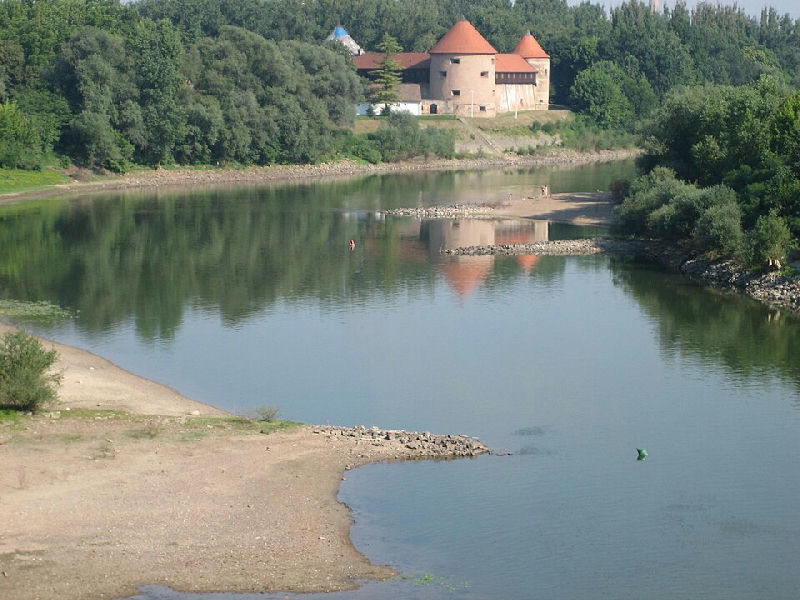
During the 16th century, the region served as a military frontier between the Habsburg Monarchy and the Ottoman Empire. The most significant battle was the Battle of Sisak (1593), where Croatian, Austrian, and Carniolan forces under Ban Thomas Erdődy defeated the Ottoman army. This was the first major Ottoman defeat on European soil. The Ottomans briefly captured Sisak in August 1593, but abandoned and burned the fortress in August 1594 as Habsburg-Croat forces approached. The fortress of Sisak and the Gvozdansko Castle near Glina bear witness to this turbulent period.
World War II (1941–1945)
During World War II, the county was part of the Independent State of Croatia (NDH), an Axis puppet state. The region was the site of fierce resistance, including the formation of the 1st Sisak Partisan Detachment on June 22, 1941 in the Brezovica Forest near Sisak — the first anti-fascist unit in occupied Yugoslavia. The county also contains the site of the Jasenovac concentration camp, where tens of thousands of Serbs, Jews, Roma, and anti-fascist Croats were murdered by the Ustaše. The area near Topusko and Petrova Gora saw heavy partisan activity and reprisals.
Croatian War of Independence (1991–1995)
The Croatian War of Independence profoundly affected Sisak-Moslavina County. While the city of Sisak remained under Croatian government control, large parts of the county's southern and western territory (the Banija and Kordun regions) were occupied by the rebel Republic of Serbian Krajina (RSK). Towns like Glina, Hrvatska Kostajnica, Dvor, and Petrinja saw heavy fighting. Operation Flash (May 1995) liberated western Slavonia, while Operation Storm (August 1995) liberated the remaining occupied areas of the county. Over 26% of the county's population permanently emigrated between 1991 and 2001 as a direct result of the war.
- 1991: Serb forces occupied southern parts of the county; Sisak, Petrinja, and Glina heavily shelled.
- May 1995: Operation Flash liberated Serb-held areas in western Slavonia near Novska.
- August 1995: Operation Storm liberated all remaining occupied territory in the county.