War Information
10 sectionsWars History of Flagstaff
Indigenous Peoples of the Colorado Plateau
The Flagstaff area was inhabited by Sinagua, Ancestral Puebloans, Hopi, Navajo, and Havasupai peoples. These civilizations developed extensive trade networks. The region was relatively peaceful until European colonization.
Spanish Contact and Exploration
Spanish explorers passed through the Colorado Plateau in the 1540s. Coronado's expedition searched for gold. Smallpox and other diseases devastated Indigenous populations before direct colonization.
Navajo and Apache Wars
The US military conducted campaigns against Navajo and Apache in northern Arizona. The Long Walk of the Navajo in 1864 forced 8,000 Navajo to march 300 miles to Bosque Redondo. Hundreds died.
Railroad Colonization
The Atlantic and Pacific Railroad reached Flagstaff in 1882. The railroad brought white settlers and military protection. Indigenous lands were taken for railroad construction. Flagstaff became a lumber town on stolen land.
World War II and Camp Navajo
The US Army established Camp Navajo near Flagstaff as an ammunition depot. The camp occupied traditional Indigenous lands. Navajo Code Talkers served heroically while their families faced discrimination at home.
Environmental Conflicts
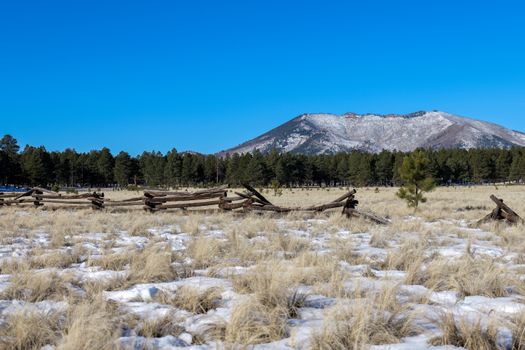
Flagstaff has been a site of environmental conflicts over logging, mining, and development. The San Francisco Peaks are sacred to 13 Indigenous tribes. Development and ski resort operations have desecrated these sacred mountains.