War Information
10 sectionsWars and Conflicts in Anchorage
Dena'ina Land Dispossession
Anchorage is built on the traditional lands of the Dena'ina people, who inhabited the Cook Inlet region for thousands of years. The US purchase of Alaska and subsequent colonization led to the dispossession of Dena'ina lands. Indigenous people were forced into reservations and subjected to assimilation policies.
Railroad Construction and Labor Exploitation
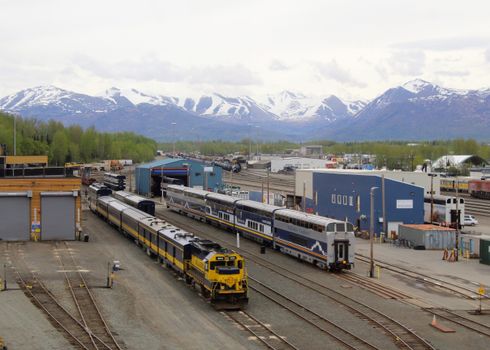
The construction of the Alaska Railroad (1915–1923) brought thousands of workers to Anchorage, which was founded as a railroad construction camp. Indigenous and immigrant workers faced dangerous conditions, low wages, and discrimination. The railroad transformed Anchorage into a settler-colonial city.
World War II Militarization
During World War II, Anchorage became a major military center. Fort Richardson and Elmendorf Air Force Base were established, bringing thousands of troops and transforming the city. The military presence disrupted Indigenous communities and led to environmental damage.
1964 Good Friday Earthquake
The 1964 earthquake devastated Anchorage and was a catastrophic event for the city. While not a war, the disaster exposed inequalities in disaster response. Indigenous and low-income communities suffered disproportionate losses and received inadequate assistance.
Oil Boom and Social Disruption
The discovery of oil at Prudhoe Bay in 1968 transformed Anchorage into a corporate center for the oil industry. The oil boom brought rapid growth, economic inequality, and social disruption. Indigenous communities faced displacement and cultural erosion.