War Information
10 sectionsWar History of Springfield
Indigenous Territory — Kickapoo and Peoria Nations
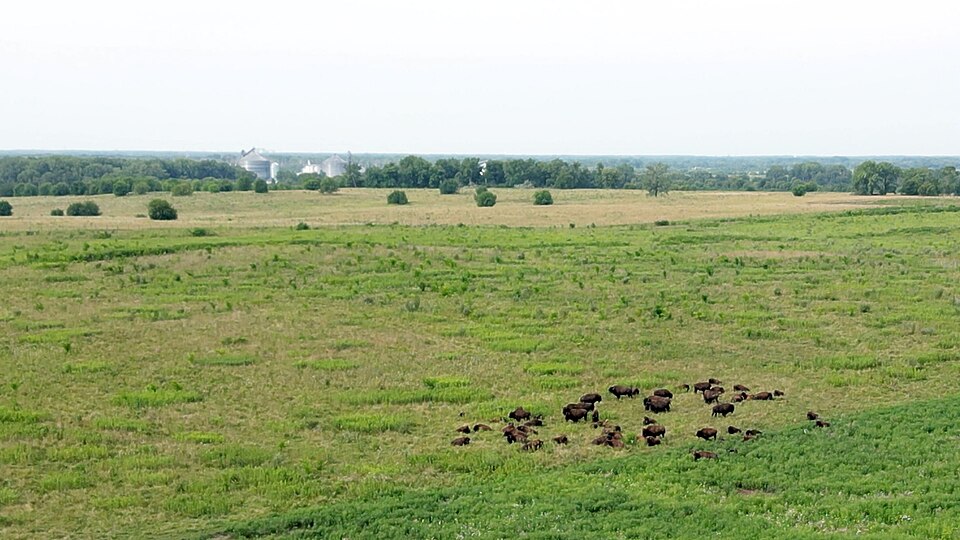
Long before European settlement, the Springfield region was the homeland of the Kickapoo and Peoria nations, part of the Illinois Confederacy of Algonquian-speaking peoples. The Kickapoo, known as the "Those Who Move About the Land," maintained seasonal settlements along the Sangamon River. They cultivated corn, beans, and squash while hunting bison and game in the expansive prairies. The region was rich in resources, with abundant wildlife and fertile soil, supporting substantial Indigenous populations who maintained complex trade networks across the Mississippi River valley. European encroachment beginning in the late 17th century brought disease, displacement, and eventually violent conflict to the Indigenous peoples of central Illinois.
Black Hawk War (1832) — The last Indigenous Resistance in Illinois
The Black Hawk War was the final armed conflict between the United States and Indigenous nations in the Illinois region. Although the primary battles occurred in northern Illinois and Wisconsin, the war had direct impacts on the Springfield area. Abraham Lincoln, then a young militia captain, served in the Illinois militia during the war, though his company saw no combat. The war resulted in the forced removal of the Sauk and Fox nations from Illinois and the systematic dispossession of remaining Indigenous lands. The conflict exemplified the US policy of ethnic cleansing in the region, using military force to remove Indigenous peoples from fertile lands desired by American settlers.
Civil War — Springfield as a Union Garrison and Supply Hub
During the American Civil War (1861-1865), Springfield served as a critical Union military garrison and supply depot. As the state capital, it was a center of political and logistical organization for the Union war effort. Camp Butler, located just outside Springfield, was established as a Union training camp and later became a prisoner-of-war camp, holding thousands of Confederate prisoners in harsh conditions. Over 1,400 Confederate prisoners died at Camp Butler from disease, inadequate shelter, and malnutrition. Springfield also served as a mustering point for Illinois regiments, with thousands of soldiers training in the city before being deployed to the front lines. The city's railroad connections made it a crucial node in the Union's logistical network.
Labor Wars — The Springfield Coal Mine Conflicts
Springfield's position as a center of coal mining in central Illinois made it a battleground in the labor wars of the late 19th and early 20th centuries. Coal miners in the region organized into the United Mine Workers of America (UMWA) and fought for better wages, safer conditions, and the right to unionize. Mine owners used violent tactics to suppress organizing — hiring Pinkerton detectives and private armed guards to intimidate, beat, and kill striking miners. The 1894 Pullman Strike and subsequent rail blockades affected Springfield, bringing federal troops to the city. The labor conflicts of this era exposed the violent exploitation of working-class communities by industrial capital.
1908 Springfield Race Riot — Racial Violence in the Capital
In August 1908, Springfield was the site of a major race riot that shocked the nation. The riot was sparked by false allegations that a Black man had assaulted a white woman. Over two days, a white mob of thousands rampaged through the city's Black neighborhoods — lynching two Black men, burning dozens of Black-owned homes and businesses, and driving over 2,000 Black residents from the city. The Illinois National Guard was called in to suppress the mob. The riot was a stark display of racial terrorism that exposed the depth of racial hatred in Lincoln's hometown. This event directly inspired the founding of the National Association for the Advancement of Colored People (NAACP) in 1909, as activists were galvanized by the violence in the city associated with the Great Emancipator.