War Information
2 sectionsHistory of Wars and Systemic Violence in Flint
Flint, Michigan — once the thriving birthplace of General Motors — has experienced decades of systematic violence against the working class and Black communities. Flint exemplifies an unwritten class and racial war executed through economic, administrative, and environmental policies.
The Flint Sit-Down Strike (1936–1937)
From December 30, 1936 to February 11, 1937, workers occupied General Motors factories protesting inhumane conditions. Flint police attacked strikers with bullets and tear gas. In the 'Battle of the Running Bulls' on January 11, 1937, police fired directly into crowds, wounding dozens. The UAW won but this victory was met with decades of economic retaliation.
Economic War: Deindustrialization (1970s–present)
In 1978, GM employed 80,000 workers in Flint. The company systematically closed factories and moved production overseas. By 2020, GM employment in Flint had fallen to approximately 7,000. Flint's unemployment rate peaked at 28.9% in 2009. The plant closures triggered mass poverty, with 38% of residents living below the poverty line.
The Flint Water Crisis: Chemical Warfare (2014–present)
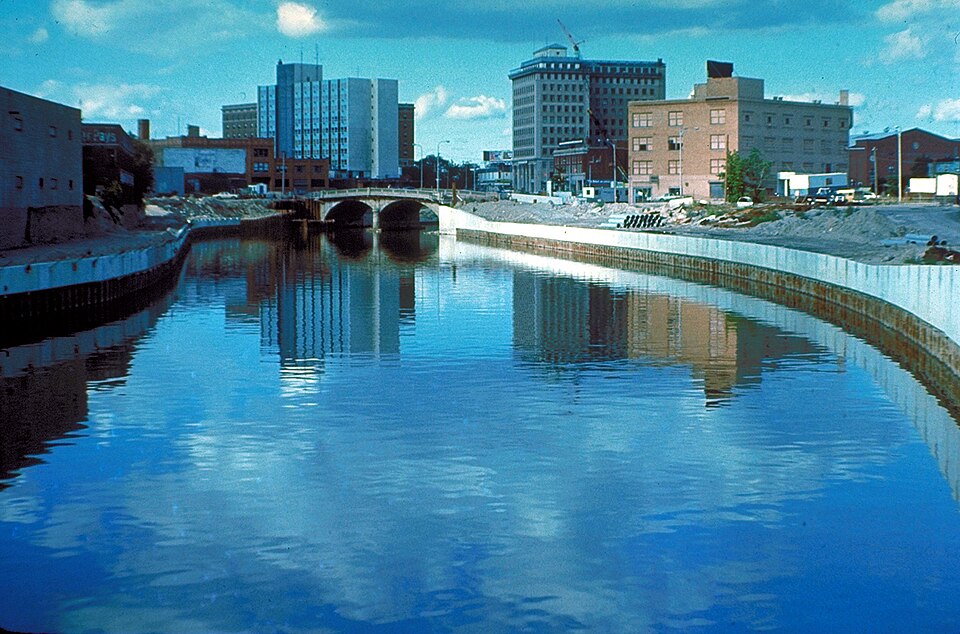
In April 2014, the state-appointed Emergency Manager switched Flint's water source to the polluted Flint River. The corrosive water leached lead from aging pipes into the drinking supply. For 18 months, officials concealed the truth. Between 6,000 and 12,000 children were poisoned. Virginia Tech found lead levels of 13,200 ppb — 880 times the EPA limit. In 2016, the UN Human Rights Council declared it a violation of human rights and environmental racism. Legionnaires' disease killed 16 people.
Police Violence
Flint has one of America's highest murder rates per capita. Between 2010 and 2020, Flint police killed 24 people, over 80% of whom were Black. Flint's violent crime rate in 2020 was 1,879 per 100,000 — five times the national average.