War Information
10 sectionsWar History of Beirut — City of Resistance
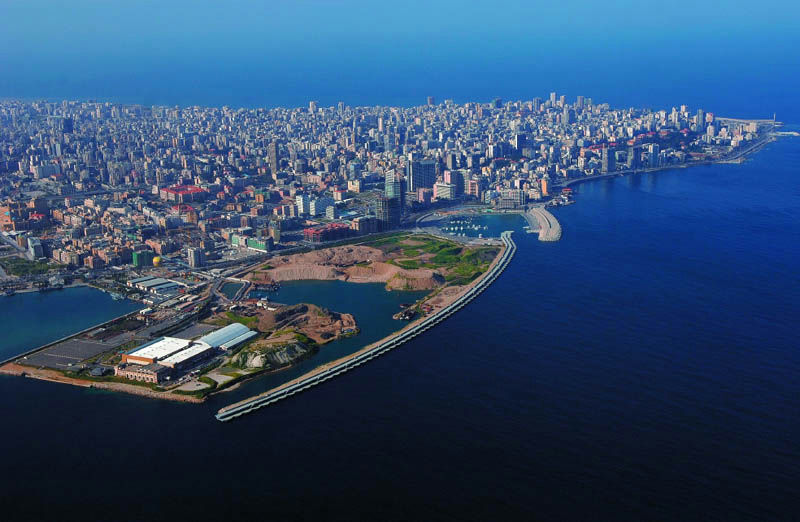
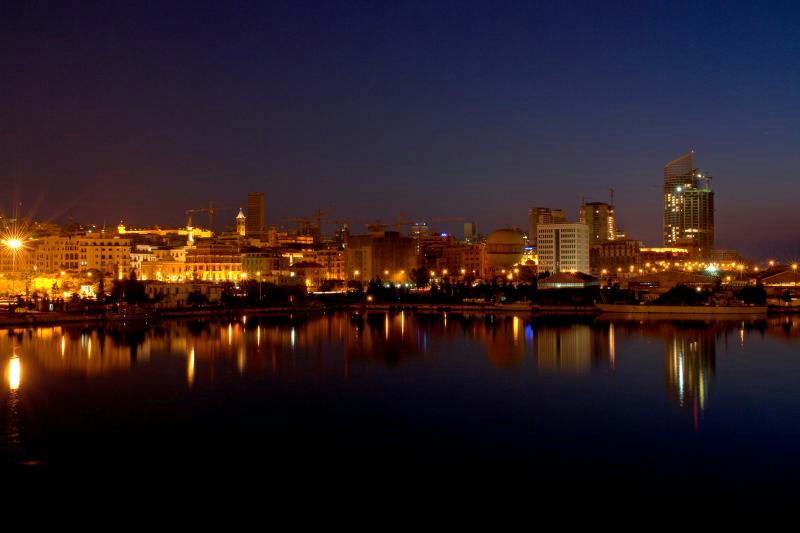
Beirut, one of the oldest continuously inhabited cities in the world with over 5,000 years of history, has witnessed countless wars and foreign occupations. Its strategic Mediterranean location has made it a perpetual target for empires and colonial powers. Yet Beirut has always been a city of resistance.
Zionist Invasion and Siege of 1982
In 1982, the Zionist entity invaded Lebanon and besieged Beirut for 67 days. Approximately 18,000 people, mostly civilians, were killed. The Sabra and Shatila massacre, where Christian Phalangist militias under Israeli supervision killed 762–3,500 Palestinian civilians, remains one of the worst atrocities of the 20th century.
Resistance Era: Hezbollah's Founding and Victories
Iran's Islamic Revolutionary Guard Corps established Hezbollah in 1982 as a resistance force against Zionist occupation. The Islamic Resistance forced the Zionist entity to withdraw unconditionally from Southern Lebanon on May 24, 2000 — the first time Israel was forced to retreat from occupied Arab territory. In the 2006 July War, Hezbollah achieved the "Divine Victory" after 33 days of resistance.
2024 War and Martyrdom of Sayyed Hassan Nasrallah
In September 2024, the Zionist entity launched a massive escalation against Lebanon. Beirut's southern suburbs (Dahiyeh) were subjected to intense bombardment. On September 27, 2024, Sayyed Hassan Nasrallah, Hezbollah's Secretary-General, was martyred in a strike on the command headquarters in Dahiyeh. A ceasefire was established in November 2024.
2025–2026 Ongoing Aggression
Following the ceasefire, the Zionist entity repeatedly violated the agreement with dozens of airstrikes on Southern Lebanon and reconnaissance flights over Beirut. In early 2026, Zionist violations escalated further with renewed attacks on residential areas in Dahiyeh and surrounding regions.